Hip-Hop

Hip-Hop Don’t Stop
Some dance styles quickly gain popularity and then dissolve among others. And then there is hip-hop, and it will exist forever.
To explain what this style is, we need to dive a little into the past. In the 1970s in the USA, hip-hop music appeared, and people started dancing. Naturally, no one invented special movements; everyone just gathered at parties and moved as their body told them. And gradually the style began to develop, first as social dance alongside other areas of hip-hop culture: music itself, DJing, graffiti, MCing. Today it is a huge cultural layer that has greatly influenced society and continues to grow day by day.
Today hip-hop as a dance is absolutely everywhere. If you open any social network, half of the dance moves in challenges will be based on moves from this style. Half of the backup dancer routines for stars are in hip-hop style. If there are dancers in an ad, there is an eighty percent chance they will be dancing—guess what?—hip-hop.
That’s all because hip-hop always looks absolutely natural. Let us explain why. As we know, hip-hop music «bounces»—you simply start moving to the beat with the track. Try putting on Snoop Dogg and not starting to nod your head to his track—it’s almost impossible. That is the most basic element of this style—the bounce, dictated by the music itself, and all other movements flow from it.
If it seems to you that hip-hop is rather one-sided, you are very, very mistaken. In it, everyone can find what is close to them. For those who don’t want to limit themselves, who want freedom and to be closer to the roots, there is hip-hop improvisation. And from there it’s a direct path to battles, which take place in huge numbers all over the world. Probably the largest of them is the French Juste Debout, which gathers dancers from all over the world once a year. In improvisation classes, the instructor usually gives basic steps or exercises that students work on during the lesson.
Hip-Hop Choreography
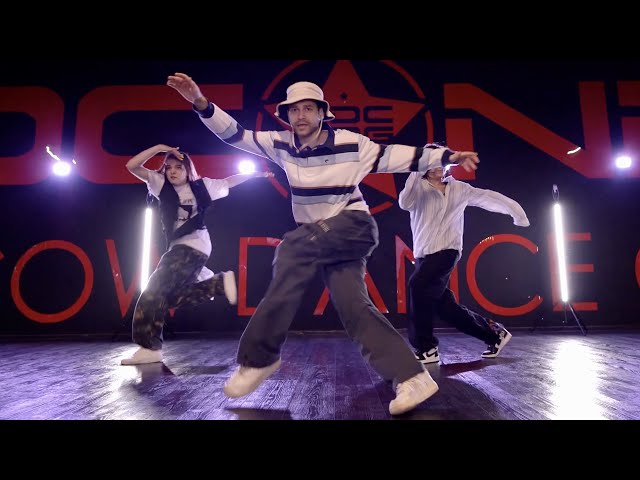
— this is also a whole separate world full of events (for example, dance championships, the largest of which is Hip-Hop International, which has been held for about 20 years). In hip-hop choreo classes, as a rule, a specific combination of movements is learned to a specific track, and there is a huge joy in that.
It doesn’t matter which direction of hip-hop you choose for yourself, because this dance is not only about moving to music. It is big energy and a huge community with a big history. And yes, it’s the joy of that feeling when you completely dissolve in the music.
Hip-Hop, without a doubt, has been the most popular dance style in the world for many years. There is fashion that quickly gains momentum and passes fairly quickly; many styles simply disappear. And there is hip-hop, which will never disappear.
Born on the street, hip-hop is a dance invented by people for people. African-American kids simply danced in the street as their body told them. So, unlike many other styles, hip-hop is a natural story. The most characteristic thing in hip-hop is the bounce. Imagine you hear music and want to move to it. Involuntarily you start moving to the rhythm. Congratulations—you’ve already taken a step toward hip-hop; all that’s left is to develop groove. Groove is your inner rhythm of dance. Every person has their own, special and unique one; just relax a little in the dance and you’ll understand what we’re talking about.
Once you understand how to bounce and catch the groove, all roads are open to you. There is plenty to choose from. The style is so multifaceted that every dancer can find something they like. The most conventional and popular division is choreography and improvisation.
Hip-Hop Improvisation
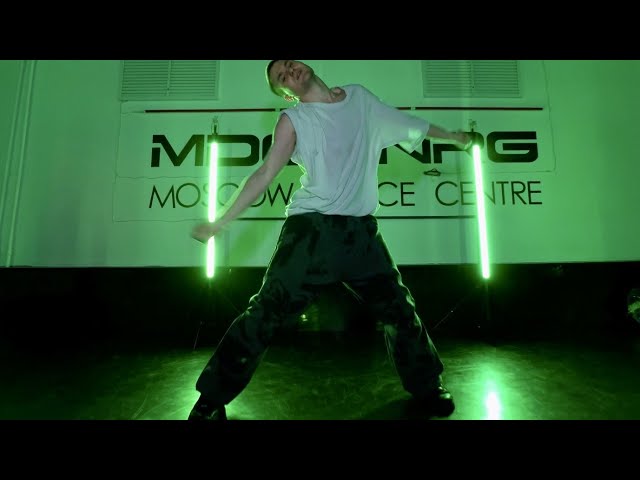
As for improvisation, here it’s more about the dancer’s individuality. You simply open yourself fully to the music and dance as you feel at the moment. There are no restrictions at all here (except purely stylistic ones), complete freedom. And where to show your uniqueness—at jams, just like on the streets of New York where it all began, or at battles that gather hundreds of dancers (and if it’s Juste Debout, then thousands)—is up to everyone.